
Meaning through Expression
Continuing with the meaning making series which started with Light as a Feather
Establishing meaning and finding expression in life is perhaps our great purpose. Meaning that is crafted from our unique perspective, intentions and circumstances allow us to more fully accept, embody and express our inherent nature. Traditionally, meaning making was more shared through a dedicated and committed culture of ritual and ceremony, honor and reverence. Today, meaning-making seems diluted and subject to the standards of social normalcy. It also seems that meaning making is more focused on sharing and highlighting those aspects of human experience that are pleasurable and pretty (social media is a perfect example, feeds of perfection which reinforce the cultural standard that how we look determines who we are what kind of life we live).
I am amazed at how often my counseling clients feel deep shame for the ‘un-pretty’ aspects of their lives. I have experienced this too. An underlying belief that it’s not ok to be angry or depressed, to have anxiety, or to be insecure, or guided by deep historical wounds, that there is something inherently wrong with us because we feel pain or dissatisfaction in life. Pain and dissatisfaction is a part of life, not to be judged, but to be allowed and understood. Shame is the double arrow, a self-inflicted wound that is unnecessary. It is more common than not for these sorrows to be a shared thread in the human experience, yet we isolate and condemn ourselves out of shame and fear.
Pain and adversity can be a catalyst for growth. Our suffering can be a reference point for understanding what we want or don’t want in life. It can be an opportunity to create a life that is built on our present day terms and authentic intentions, as opposed to the standards of society or the conditioning of our past. In order to grow from our suffering we must begin to look at it differently and change our relationship to it. When we really look at, from all angles, and sit with and allow our pain, we become less scared of it, the fear subsides and space opens for healing.
When clients come to me say I’m depressed or I have anxiety or I am crazy, despite my clinical training in the DSM, I ask them what that means to them. What does depression look like and feel like for YOU, I’ll ask? The point of therapy and healing is to give a personally meaningful voice to suffering, the voice becomes an expression and expression is transformation. The meaningful voice can be expressed in many ways. Below are some expressive arts and somatic therapy approaches to begin your personal process of meaning making. Pick and choose.
- Sometimes the best first step is sharing your pain with someone. This is a courageous journey out of isolation and into human connection. Knowing that we are never really alone in our suffering encourages a sense of safety, compassion and being seen. Sharing with others creates a sense of shared experience and community….this is the origin of ceremony, and ceremony is healing (more on this soon).
- Journal prompt: What purpose has your suffering had (often times it is a coping technique)? What can you learn from it? How has it helped you understand yourself or relationships better?
- Journal prompt: Write a new narrative. Often we script our ‘stories’ out of habit and from old, engrained perspective. When we learn to be the author of our life we create a new narrative that can more life affirming, positive, truth oriented and solution focused instead of problem saturated.
- Art therapy prompt: Giving pain a face. Identify your core emotion that needs attention. Through mixed media collage or painting/drawing establish the essence of the feeling state through image and symbols. Many times the use of imagery brings content to the surface that has been pushed down and suppressed for a long time. This content can be explored more objectively once outside our skin and on paper. Images are the language of the soul and a very powerful expression of our deeper knowing.
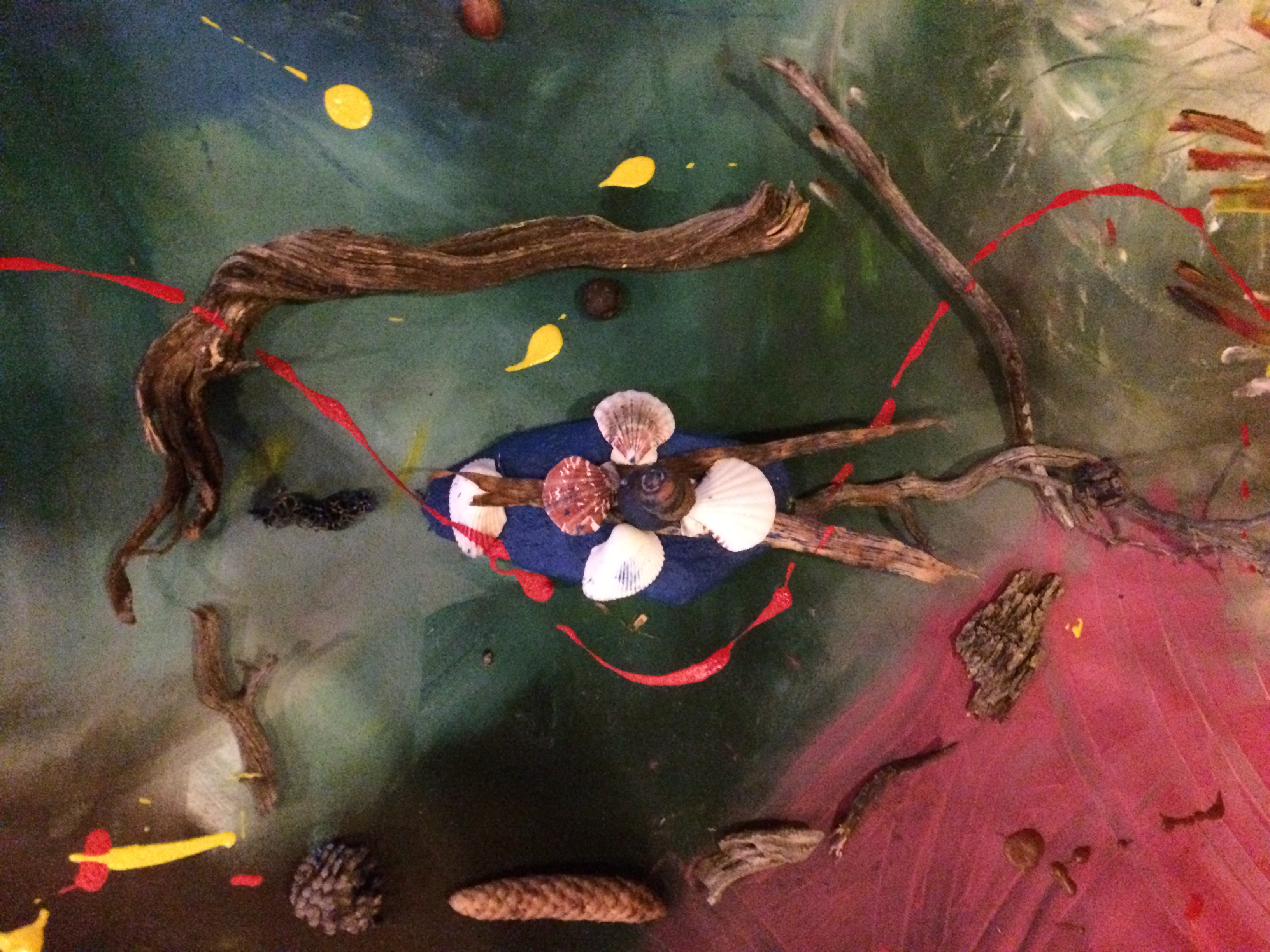
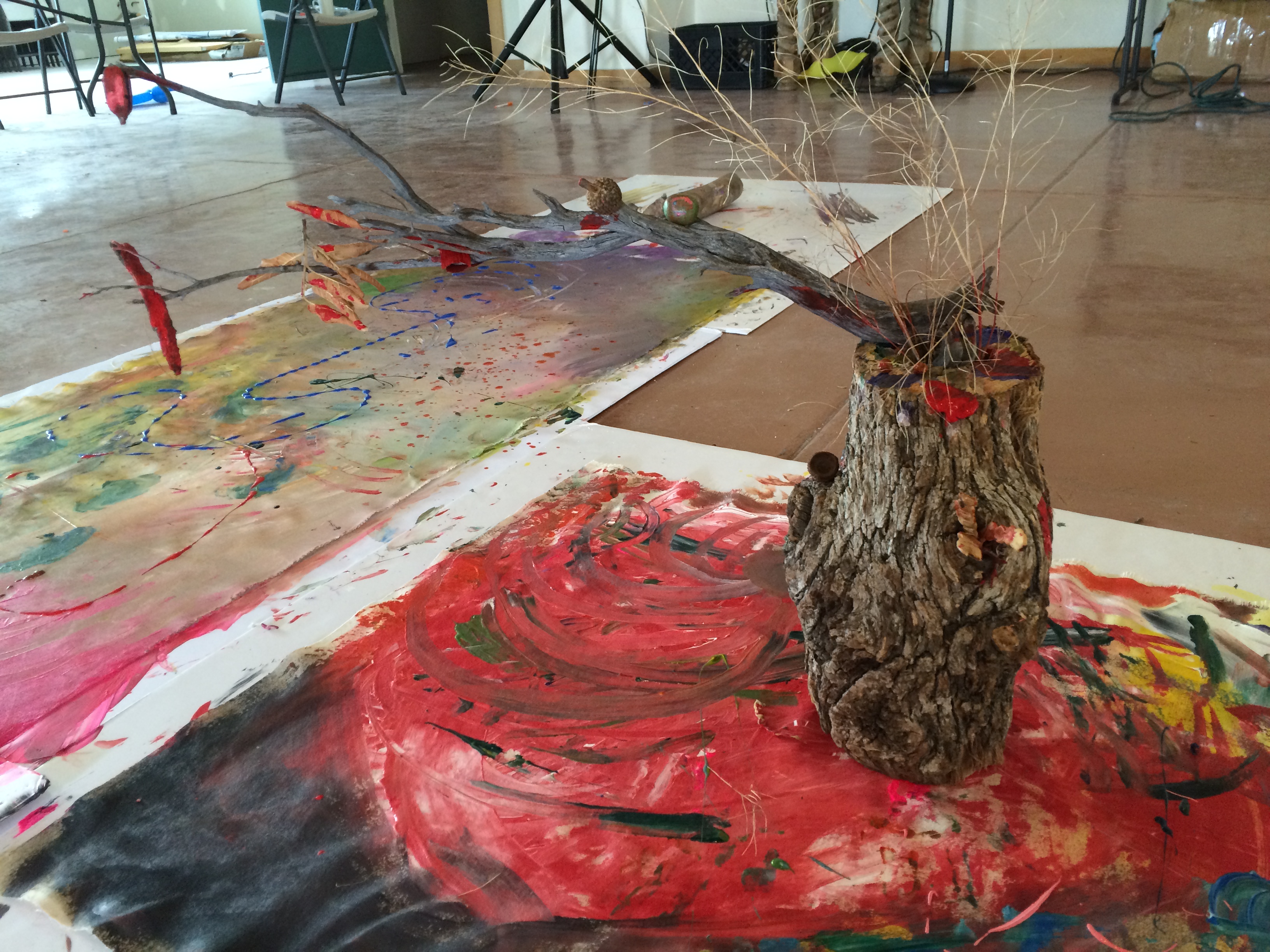
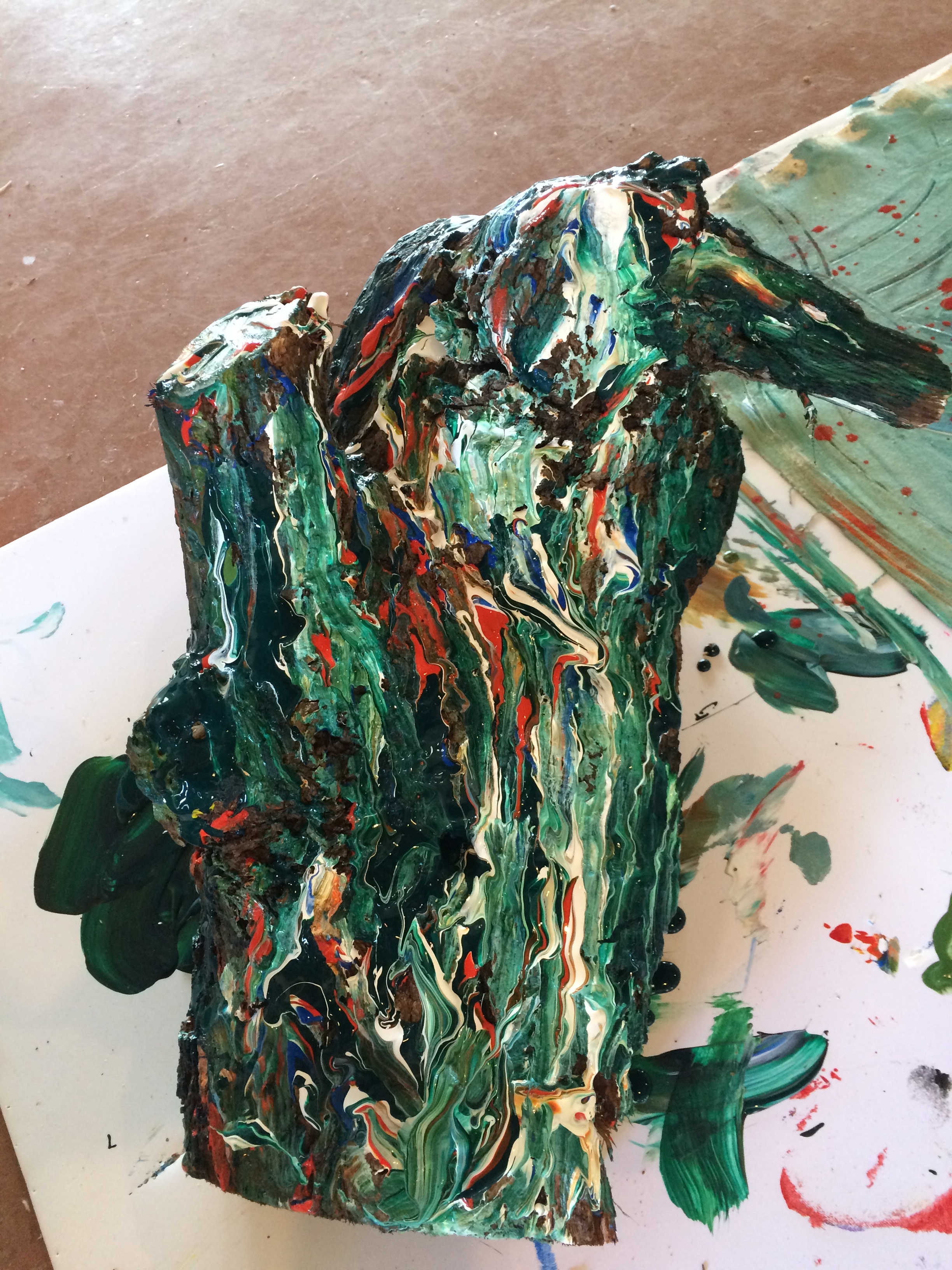
- Art therapy prompt: Look to nature for found objects that represents aspect of your self and combine them intuitively to create a multidimensional piece. Nature is the ultimate symbol of resilience and growth and it represents many aspects of our psyche and soul. Get big and bold with the expression. ** For spirit’s sake, always ask your ‘found object’ for permission to help in your healing journey and perhaps replace it with an offering such as a seed or prayer. **
- Somatic prompt: Let your body speak, release and express. The body is a mirror of our inner emotions and inner thoughts; it is an access point to the subconscious. It holds our memories and experiences and through authentic movement we can heal without the need to over analyze or over talk. Spontaneous movement can unblock stagnant energy and tap into a more soulful expression. Move the furniture, put on some inspiring or appropriately themed music to match your mood and get moving. Allow the body to guide you through the emotions and attempt to emulate them in form. For example, if you feel the need to withdrawal, constrict the body. If you feel angry make fists or jump up and down stomping feet. The form will change and adapt as you move through, quite literally, the emotional process.
These techniques encourage a different perspective of our suffering and when our connection to an experience changes, its affect on us changes too. Meaningful expression of suffering is established from a place of strength and inquiry rather than the victim trying to hide from the discomfort of pain. It is in facing our discomfort, listening to it, holding it, and genuinely expressing it that meaning is cultivated.
I hope you find these prompts helpful. Remember the process isn’t about perfection. There is no need for spell checking journals, tracing a perfect circle, or learning dance moves. Its about embracing the messiness of life and making it beautiful, livable and authentically yours.
More to come, short stories for meaning making.
Blessings, Namaste, Aho
Robin Afinowich
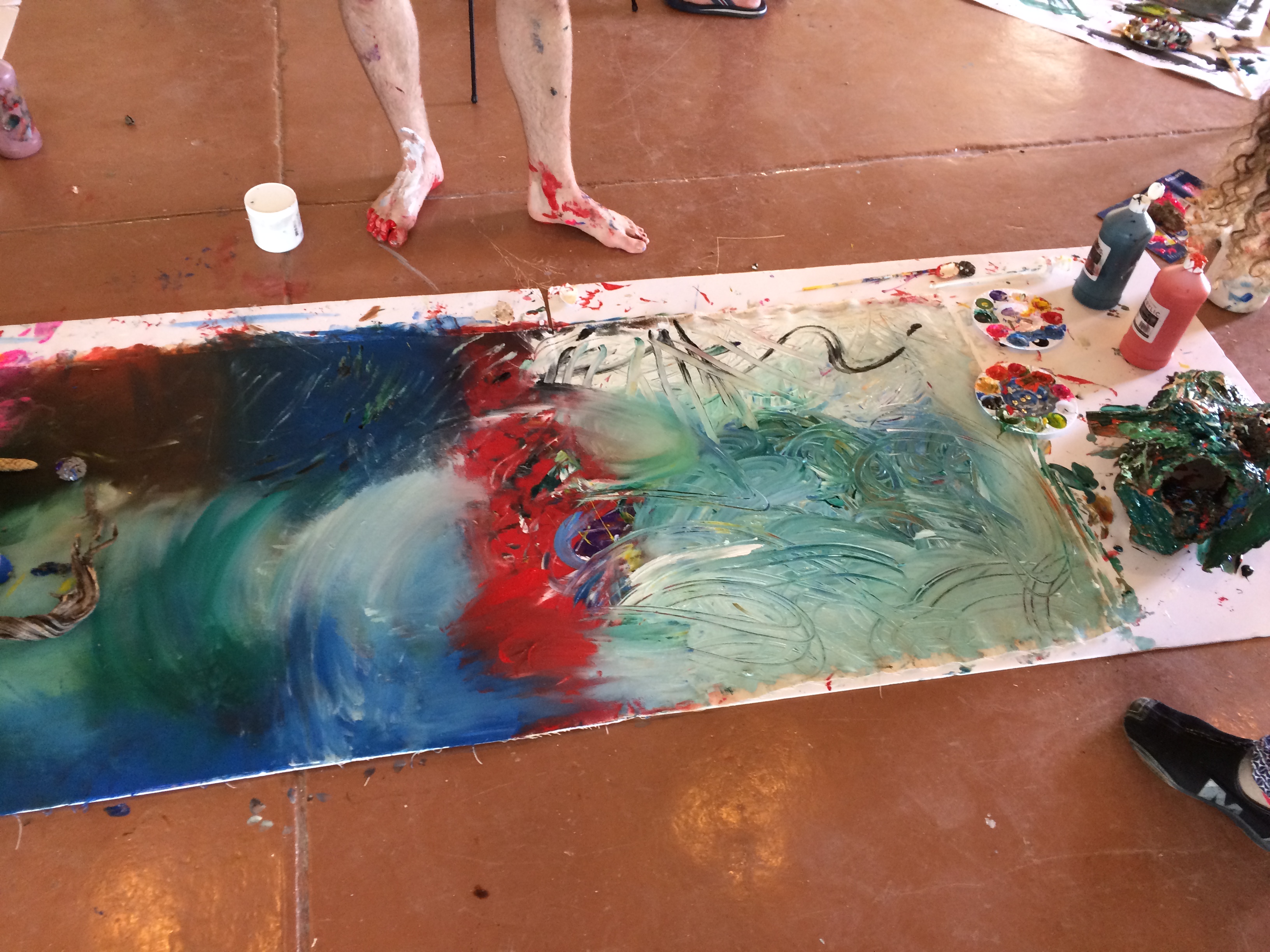
Here are some amazing moments at the annual ASU Sci-Ranch intensive I was fortunate enough to teach at. Sci-ranch is an initiative to combine science with the healing arts. This session credited to education specialist Maryam Ghadiri with Center for Global Soundscapes at Purdue University. We combined the sounds of nature with movement and art. Wow, powerful stuff!


Be The First To Comment